
How to Progress Your Workouts Without Overdoing It
Progress is one of the most important parts of any fitness routine. Once your body gets used to a certain level of exercise, it needs small, manageable challenges to keep improving.
This is often called progressive overload. Put simply, it means gradually increasing the demand on your body over time. That does not always mean lifting heavier weights. It can also mean improving technique, adding more time, increasing consistency, choosing a harder option, or recovering better between sessions.
The key is to progress gradually, not all at once.
What Does Progression Look Like?
Progression can look different depending on how you like to train. At Colets, you can build progress across the gym, classes, swimming, cardio, and recovery.
In the Gym

In strength training, progression might mean:
Adding a little more weight
Completing more reps
Adding an extra set
Improving your control and technique
Reducing rest time slightly
Trying a more challenging exercise variation
You do not need to increase everything at once. Small changes are usually more effective and easier to maintain.
Progress is not about doing the hardest workout possible - it is about giving your body a sensible challenge it can adapt to.
In Classes
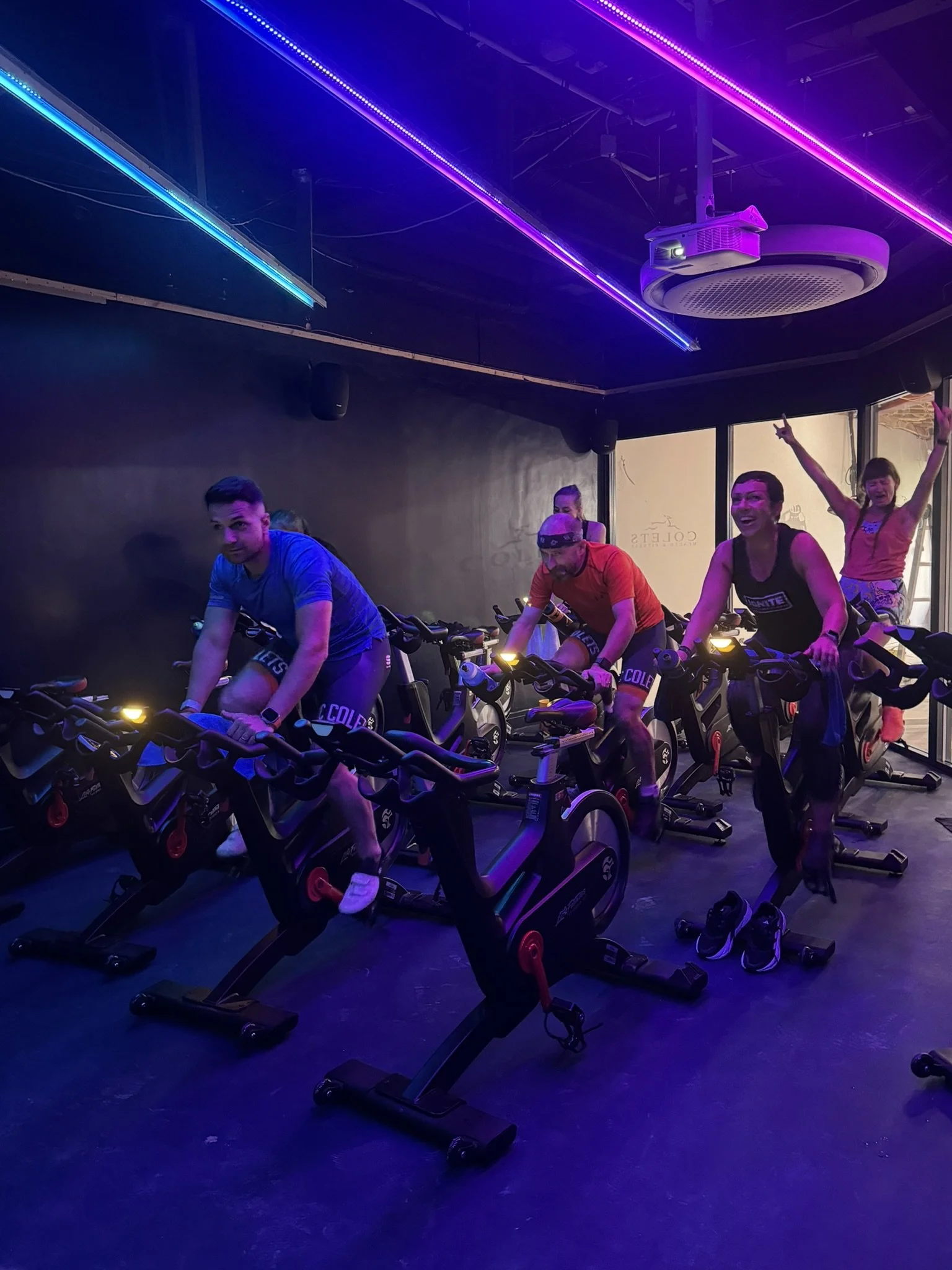
Classes are a great way to build consistency and confidence. You can progress by:
Attending regularly each week
Choosing a slightly harder option when offered
Increasing your effort during working blocks
Trying a new class format
Moving from beginner-friendly sessions to more challenging ones
Your instructor will often give different options, so you can work at a level that feels right for you.
With Cardio Training

Cardio progression can be simple and measurable. You might:
Increase your time gradually
Add short intervals
Increase incline, resistance, or pace
Track distance over time
Reduce rest periods slightly
For example, if you usually walk for 20 minutes, your next goal might be 25 minutes, a slightly higher incline, or a short faster section.
In the Pool

Swimming is another effective way to build fitness. You can progress by:
Adding extra lengths
Reducing rest between lengths
Improving technique
Adding intervals
Mixing strokes if appropriate
As with any form of training, gradual progression is key.
Recovery Helps You Progress
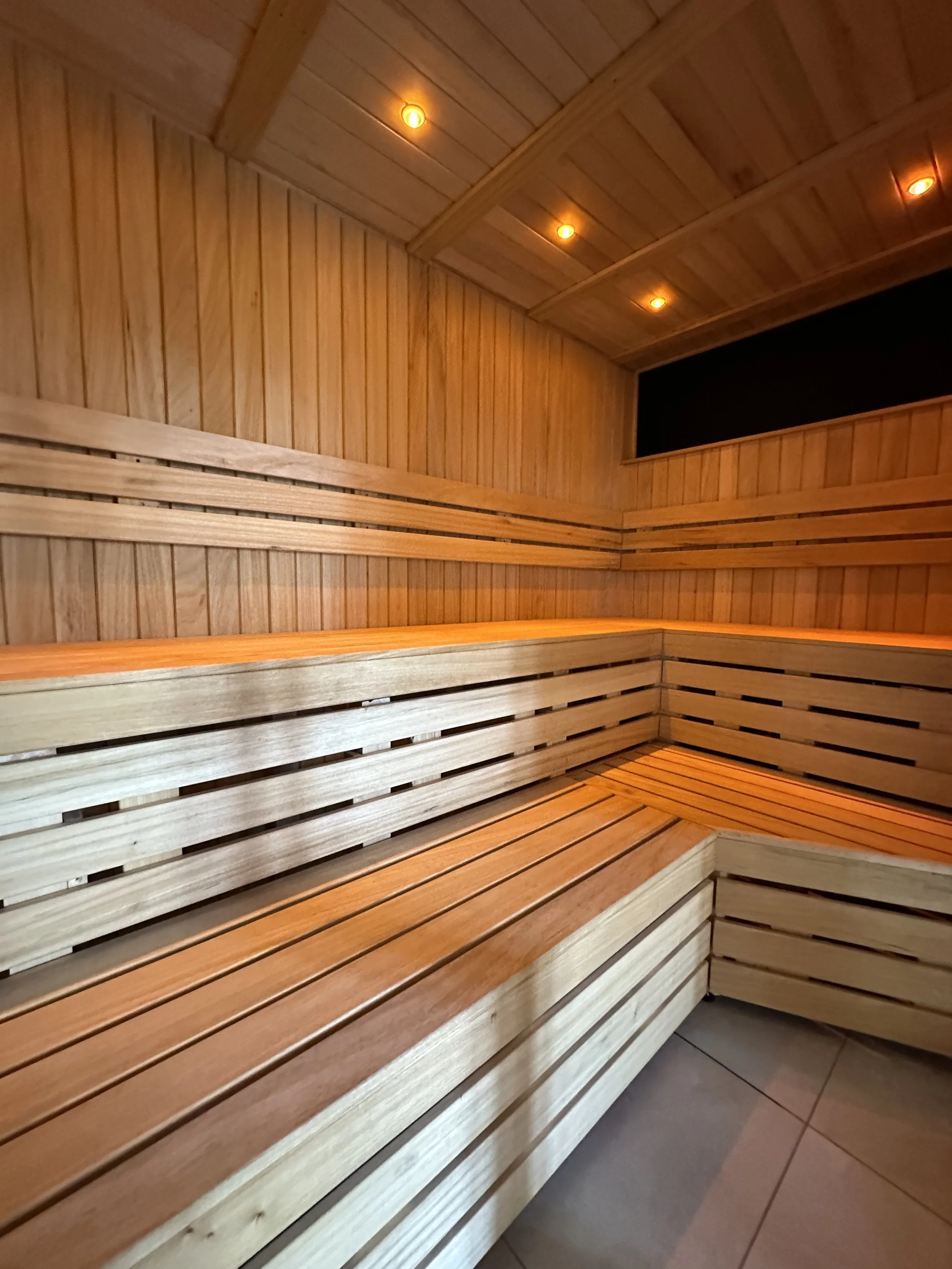
Progress does not only happen during the workout. It also happens when your body recovers and adapts afterwards.
Sleep, rest days, stretching, mobility work, hydration, and recovery tools such as the sauna and steam room can all support a consistent routine.
Doing more is not always better. Training well, recovering properly, and staying consistent is what supports long-term progress.
Signs You May Be Ready to Progress
You may be ready to increase your training slightly if:
Your current workouts feel very manageable
Your technique feels controlled
You are recovering well between sessions
You are no longer feeling challenged
You feel confident with your routine
Progress should feel challenging, but not overwhelming.
Signs You May Need to Slow Down
It may be worth easing back if you are experiencing:
Ongoing fatigue
Poor sleep
Unusual aches or pains
Loss of motivation
Struggling to recover between sessions
A drop in performance
Your body needs both challenge and recovery to improve.
Keep It Simple
The best way to progress is to make one small change at a time. This helps you see what is working and reduces the risk of doing too much too soon.
You could start by increasing one of the following:
Weight
Reps
Time
Frequency
Effort
Control
Consistency
Progress does not need to be dramatic to be effective. Small improvements, repeated consistently, are what create long-term results.
Whether you train in the gym, pool, studios, or across the whole club, the aim is the same: keep building gradually, listen to your body, and give yourself time to improve.