
How to Restart Your Fitness Routine After Time Away
Taking time away from exercise is completely normal. Work, family, illness, injury, motivation, or life in general can all interrupt a routine.
The important thing is not how long you have been away. It is how you start again.
Restarting your fitness routine does not mean picking up exactly where you left off. Your body may need time to rebuild strength, fitness, confidence, and consistency. A gradual approach can help you feel better, reduce the risk of doing too much too soon, and make your routine easier to maintain.
Start From Where You Are Now
It can be tempting to compare your current fitness to where you used to be. Try not to.
Fitness changes over time, and your body may need a few weeks to adjust again. Starting at the right level now will usually help you progress more effectively than pushing too hard straight away.
You are not starting from zero - you are rebuilding momentum.
Keep Your First Sessions Simple
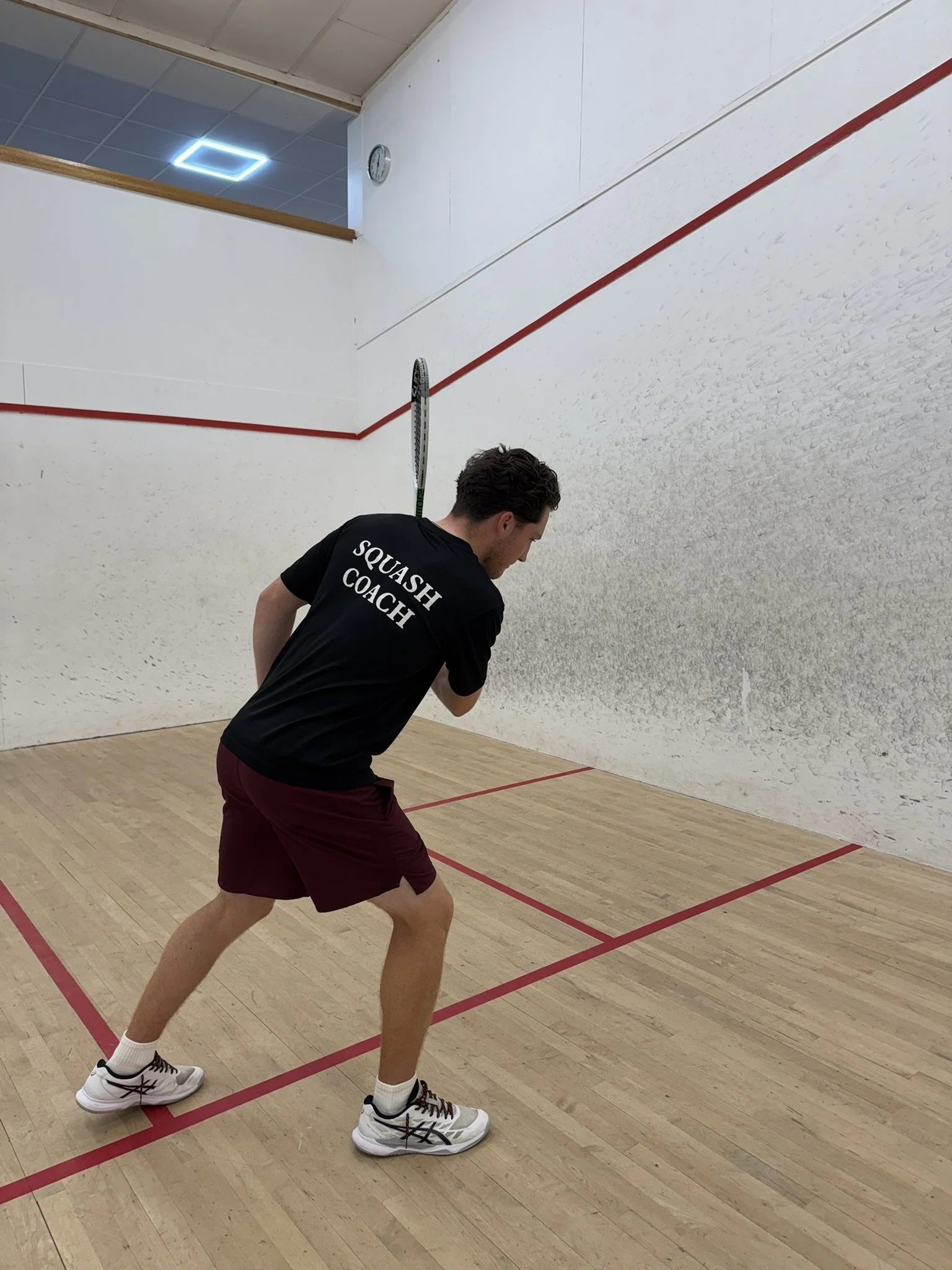
Your first few sessions back do not need to be intense. The aim is to get moving, rebuild confidence, and remind your body what regular exercise feels like.
A good starting point could be:
A short full body gym session
A gentle class
A swim
A steady cardio session
A mobility or stretch session
A knock about on the squash court
Leaving the club feeling positive is more useful than doing a workout that leaves you exhausted.

Build Frequency Before Intensity
When restarting, consistency matters more than intensity.
Rather than jumping into five sessions a week, start with a realistic number of visits. For many people, 1-3 sessions per week is a good place to begin.
Once that feels manageable, you can gradually build from there.
A routine you can repeat is more effective than a perfect plan you cannot maintain.
Expect Some Soreness
It is normal to feel some muscle soreness when you return to exercise, especially after strength training or a new class.
However, soreness is not the goal. You do not need to feel exhausted or achy after every workout to make progress.
If soreness is severe, lasts several days, or affects normal movement, it may be a sign to reduce intensity next time.
Use the Health Station as a Fresh Starting Point
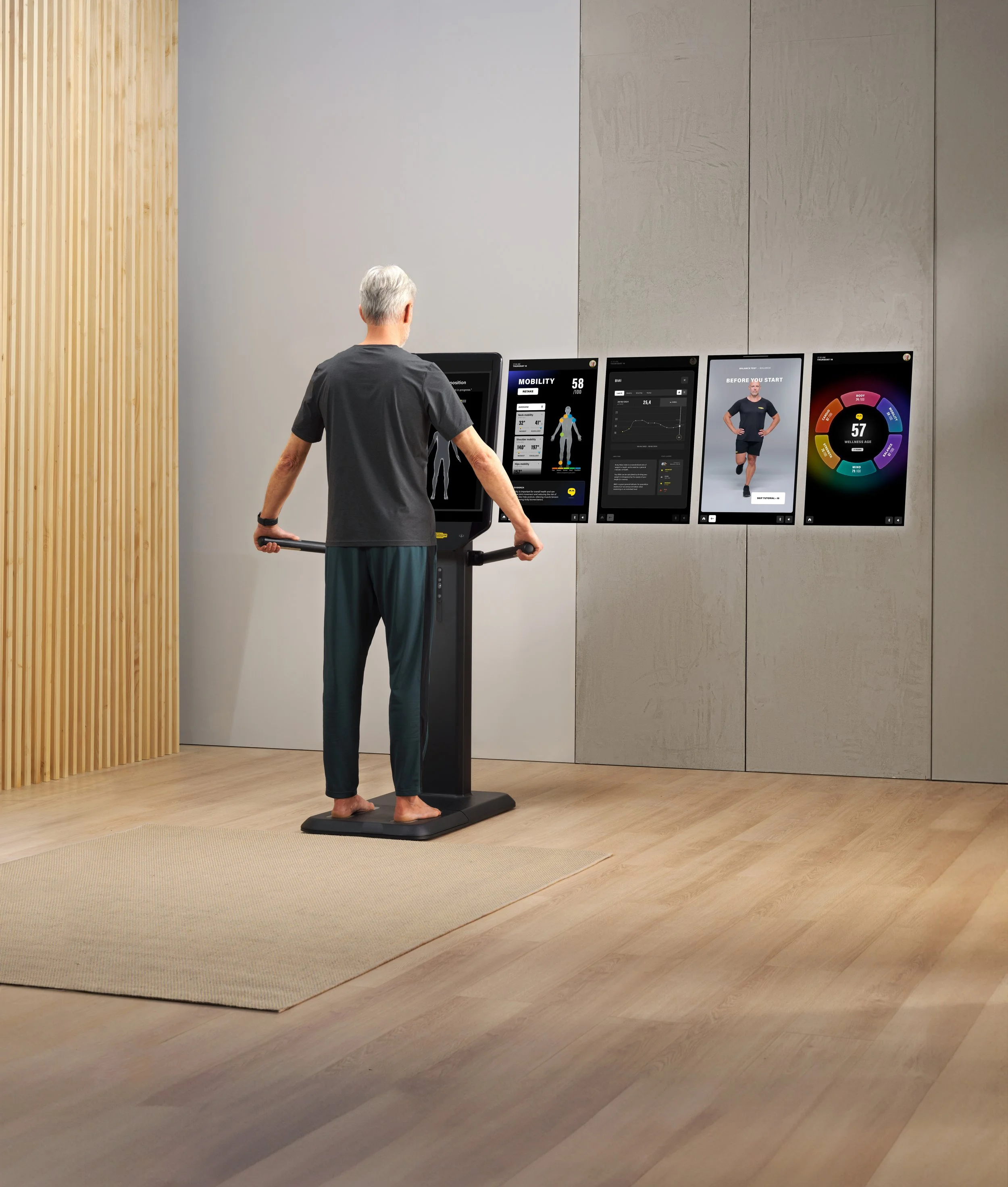
If you are unsure where to begin, the Health Station can be a useful way to reset.
Your results can help give you a clearer picture of your current fitness and wellbeing, including areas such as body composition, movement, balance, and overall wellness age.
This can help you set realistic goals and choose a training focus that suits where you are now.
Choose What Feels Manageable
The best routine is one you can actually stick to.
That might mean:
Gym sessions if you like structure
Classes if you enjoy being guided
Swimming if you want something lower impact
Recovery sessions if your body needs a gentler return
A mix of everything if you enjoy variety
There is no one correct way to restart. The right approach is the one that helps you keep going.

Ask for Support
If you feel unsure, nervous, or stuck, speak to the fitness team.
A Gym Instructor or Personal Trainer can help you understand where to start, how to use equipment safely, and how to build a routine around your goals.
Support can make restarting feel much less overwhelming.
Focus on the Next Visit
You do not need to plan the next six months on day one.
Start by booking or planning your next visit. Once that becomes easier, plan the next one. Over time, these small actions build back into a routine.
Restarting is not about making up for lost time - it is about moving forward again.
Every visit helps you rebuild confidence, consistency, and momentum.