
Train like a Champion with Chemmy Alcott
Chemmy Alcott didn’t win medals by playing it safe; in fact, for a period of time, holding back felt easier than risking everything.
A four-time Winter Olympian, Chemmy knew that in a sport where the difference between glory and disaster is a fraction of a second, going all-in meant risking everything: her confidence, her body, even her career. When she finally did, she made history as the first British woman to win a run in a World Cup ski race. What followed was not a fairytale, but a reality shaped by fear, resilience, injuries, and a relentless commitment to getting back up again.
Today, Chemmy applies the same intent to her life as a broadcaster, mum of two, and regular face at Colets. Now her focus is not on medals, but on strength, longevity, and life beyond the sport. In this blog, she transitions from sharing her defining Olympic moments to offering the training principles, mindset habits, and hard-earned lessons that Colets members can use in their own fitness journeys, whether you’re chasing performance, confidence, or simply a stronger, more capable body.
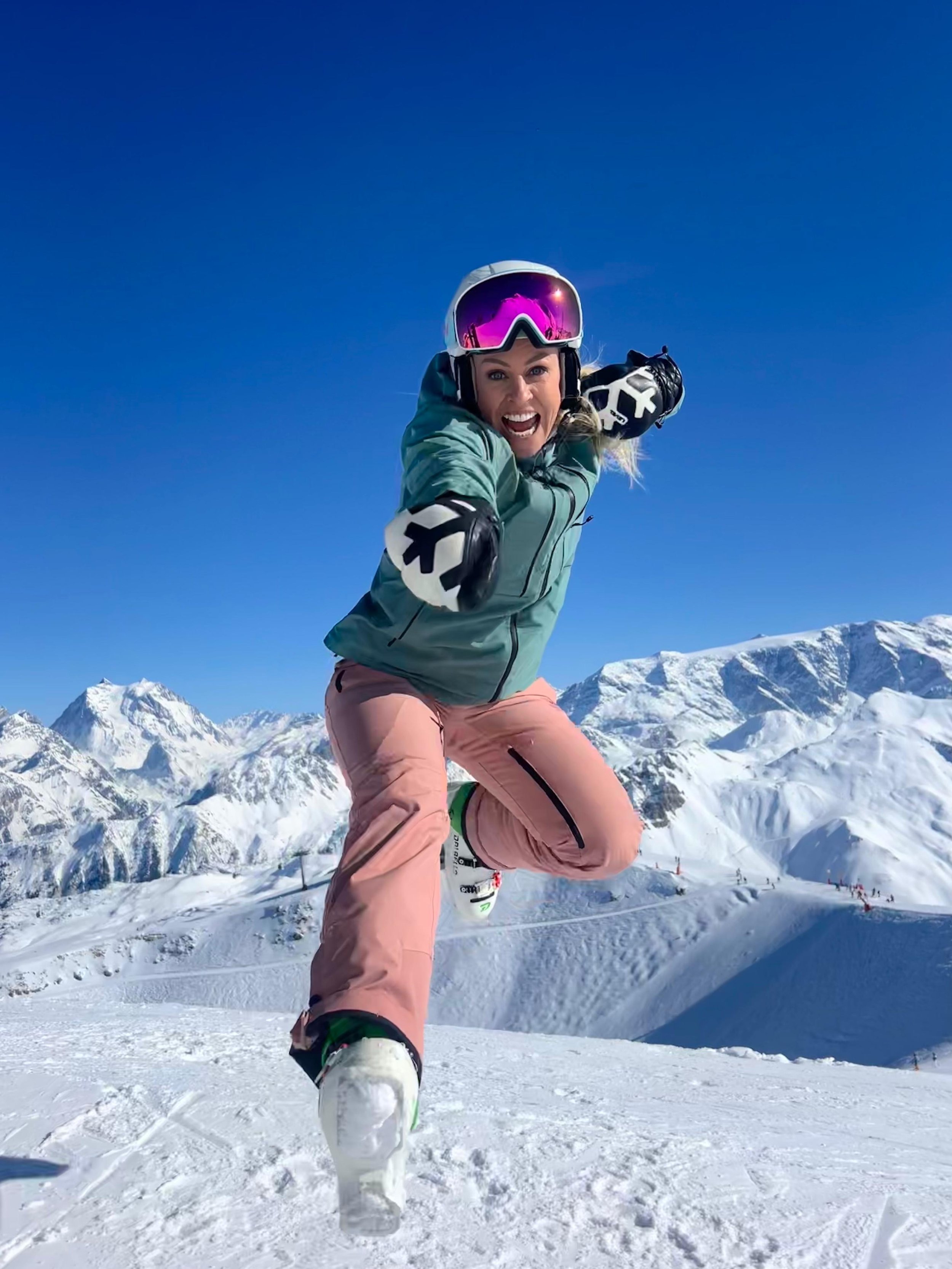
What first inspired you to take up skiing, and how did your early experiences shape your career?
Both my parents were athletes - my dad was a rugby player for Richmond and Old Pauline - he is how I first heard of Colets so i have a long family connection here. My mum was a swimmer. Neither were allowed to ski when they were athletes but when they retired they both went skiing and fell in love with it, so I was a product of a ski mad family. All my brothers got into and raced and because they were older than me I thought they were cool and I wanted to follow them into the sport. So that's how I got into it, I grew up skiing in a tiny resort called Flaine in France.
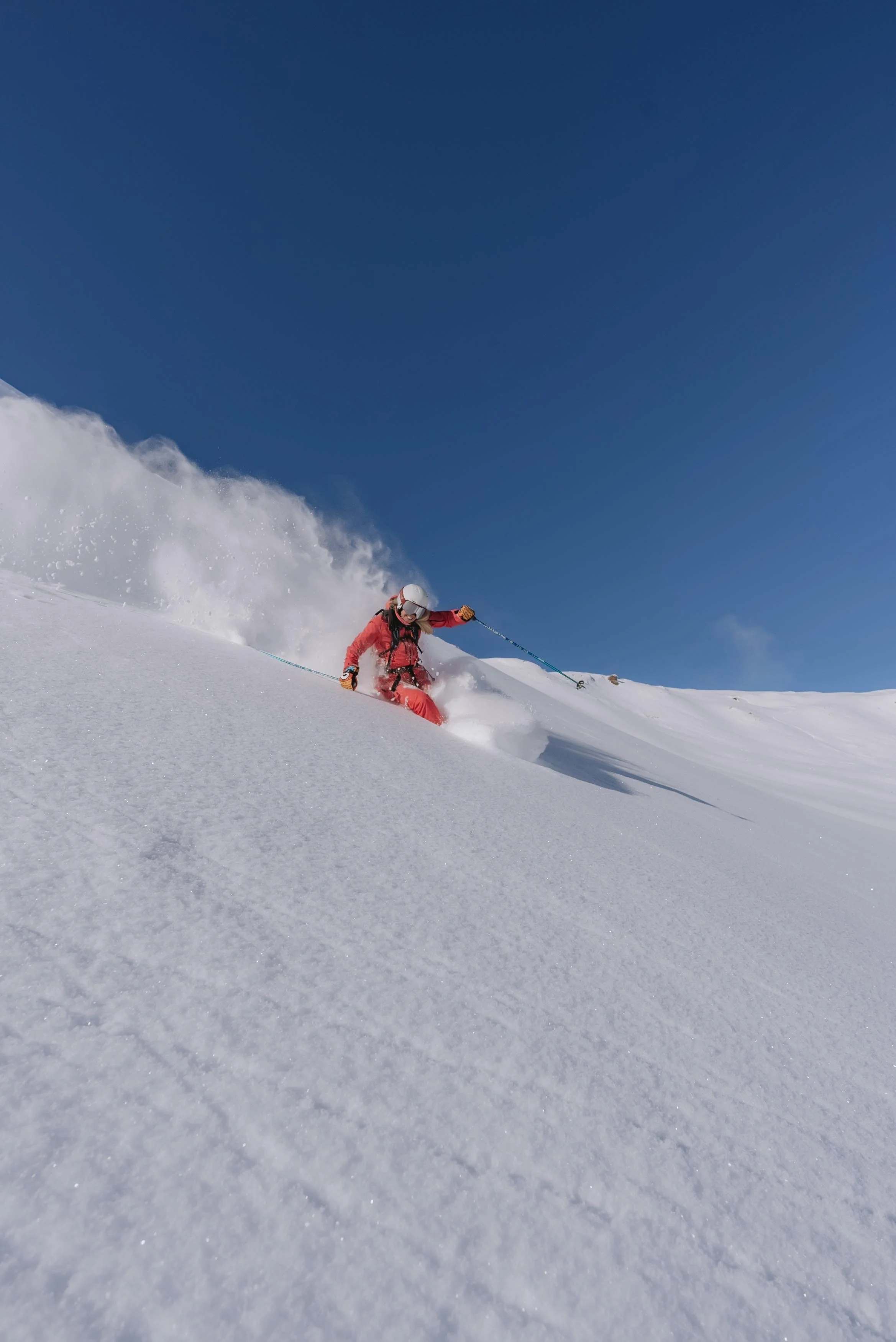
What did a typical day of Olympic training look like for you?
During the winter it was about lifting heavy weights and one rep maxes, so my body was ready to perform in such a power-demanding sport, and doing an intense volume of skiing at altitude.
Training in spring and early summer was all aerobic and lots of biking. Skiers do lots of biking because it builds up their VMO (Vastus Medialis Oblique) and protects their ACL. So we would do around five hours on the bike, including the Box Hill climb, which I used to do all the time. Then we added agility, coordination, balance work, and some strength endurance.
As we went deeper into the summer, we started bringing in hypertrophy training, more strength work, and interval sessions.
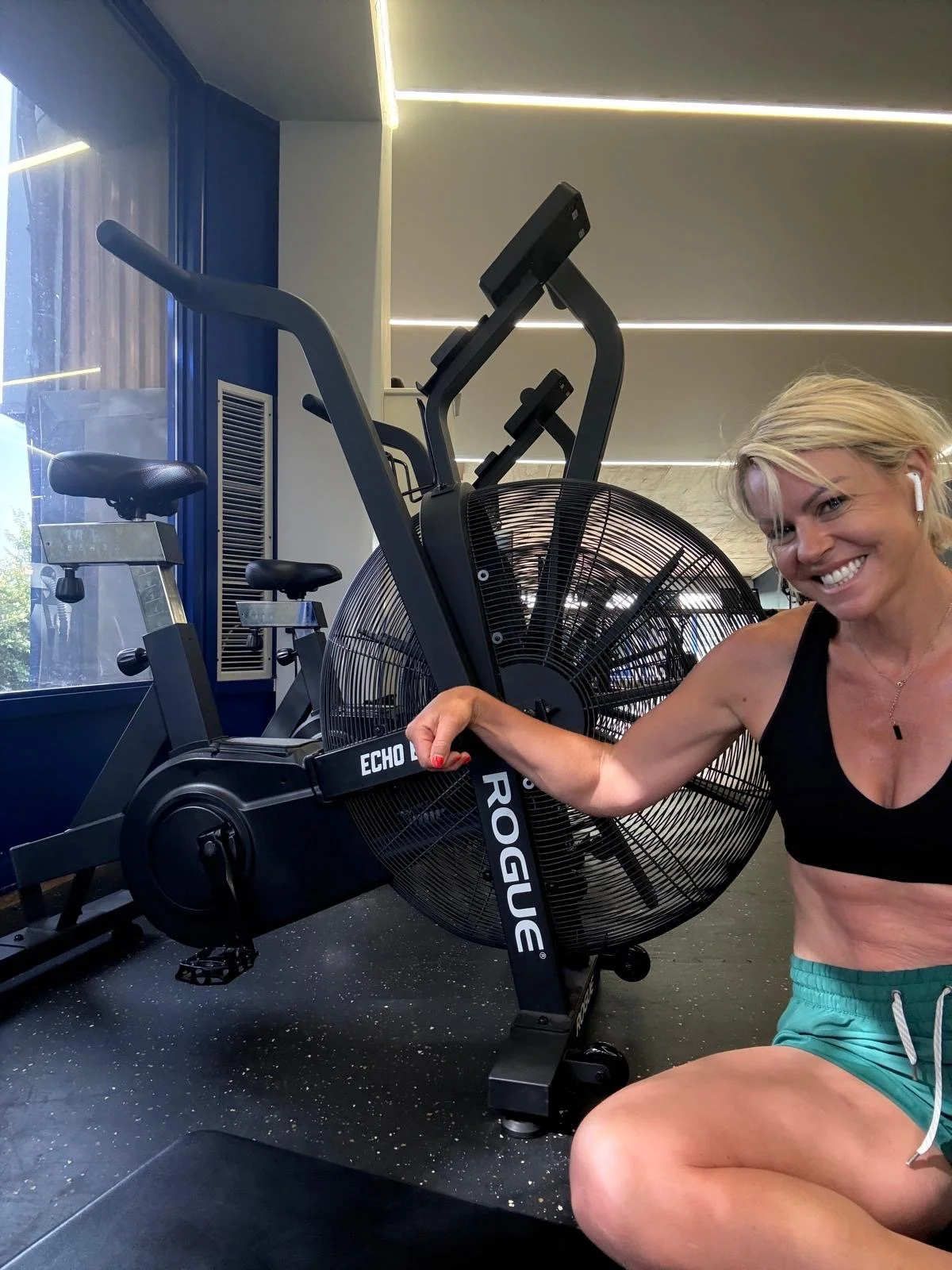
Which gym exercises or equipment at Colets were most helpful for building ski-specific strength, power, and stability?
My go-to is standing on a Bosu balancing ball or a football to build core leg stability and balance, which is needed a lot in the Olympics. I do a lot of Olympic lifting, and I think variety is key. When I was younger as a skier, it used to be a lot more about lower body weight, but because of the way the parabolic skis are so powerful now, core is paramount because the skis have so much whip. The studio bike sessions you guys do would be really, really good because they're interval training and building up the right muscles for skiing, and then all the free weight sections.
Can you describe a major setback or a challenge you faced in your career?
I became the first British ski racer to win a World Cup in 2008 in Sölden's giant slalom, and that was a defining moment for me, because I had been struggling with a fear of failure for a long time beforehand. I was really concerned that if I did go 100 percent and didn't win, I would have had to admit to a lot of people who invested in me that I just wasn't good enough.
So I found this dangerous platform to perform at just 80 percent, and I basically kept 20 percent in my back pocket to self-validate where I wasn’t winning, and then in the second run, I put myself in a position where I went all out and ended up winning that one. I realised that my 100 percent was good enough.
Unfortunately, from then on, because there’s such a fine line in ski racing between ultimate success and complete disaster, I did push that boundary, and I ended up getting really hurt. But I am really proud of the scars I have on my body. I’ve got a thirteen-inch metal nail in my right leg!
What lessons did you learn from these challenges?
Those injuries only happened because I had the confidence to risk it all. My big tip for an injury is to set achievable daily goals, try not to think about the overall big picture. Sometimes it was two years before I could ski again. So instead of thinking about the process of skiing again, I just thought about being able to walk again, then being able to train again, and the miniature goals on the way to that.

How can members apply lessons from elite training to improve consistency and discipline?
I absolutely love to train. I mean, the fact that I still come to Colets at least 3 times a week to do weights, and that was part of my professional life shows how much I love it. I train now because I want my body to be able to say yes physically to any opportunities I get or challenges that I have being a mum. I want to be strong into old age, and I know as a woman, it's really important for me to keep these glutes that I've spent my whole life building. I maintain motivation because I know that this is what my body needs and I think about the big game. And I and I make it habit. I think we are culturally ashamed sometimes to put ourselves first and give ourselves that me time, but actually, in order to be the best version of yourself, whether that is in your career or in your family, you need to have that me-time, and I appreciate that because of my career as an athlete.
Chemmy’s story highlights three things we value at Colets: train with intent, respect the process through setbacks, and invest in strength for the long term. Whether performance-driven or life-focused, these principles apply to every stage of training.